
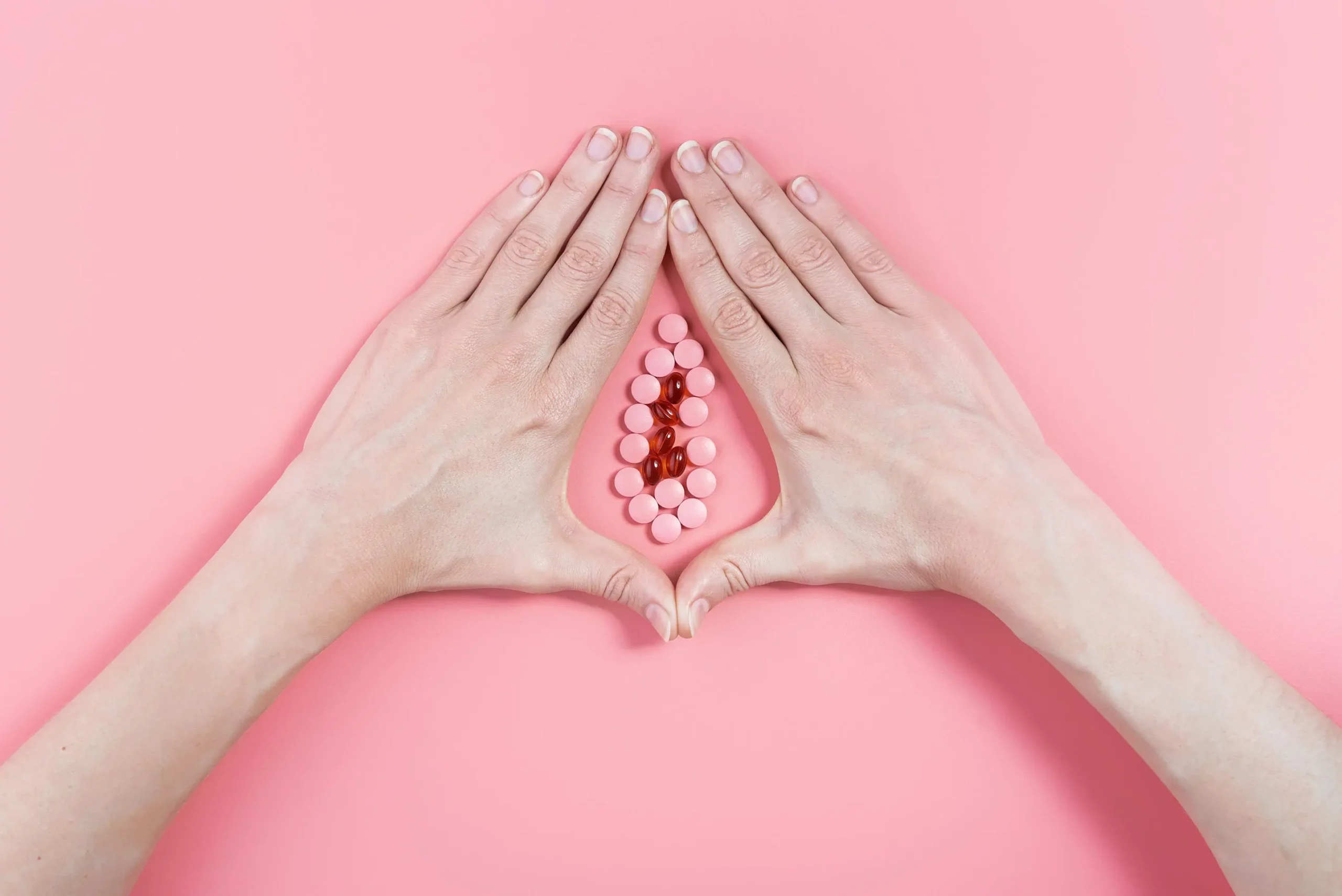
Vaginal health is still rarely talked about openly. Yet it affects everyone with a vagina – throughout their entire life. But what is actually “normal”? What does a healthy vagina feel like? And what does the intimate area really need to feel comfortable? We believe it’s time to clear up myths and share knowledge – without shame or taboos. Your body is not a problem to be solved. It deserves attention, respect, and proper care.
Understanding Vaginal Health: Supporting Your Natural Balance
Vaginal health is much more than the absence of discomfort. It includes physical well-being, sexual experience, and conscious awareness of one’s own body. A healthy vagina feels comfortable in daily life (no burning or itching), can self-lubricate and regenerate, adapts to hormonal changes, and is simply part of a positive body experience.
Vaginal health influences not only sexual well-being but also self-confidence. Knowing your body helps you understand changes, recognize when something requires attention, and distinguish what is completely normal.
Changes Are Normal
There is no single picture of a “perfect” or “always the same” vagina. Shape, odor, discharge, moisture, and sensitivity can change – and that’s perfectly fine. Our bodies are very sensitive and respond even to minor changes.
Typical influencing factors include:
- the menstrual cycle
- stress or emotional strain
- conditions such as yeast infections
- sexual activity
- pregnancy and breastfeeding
- hormonal changes, e.g., during menopause
A slight natural odor is not a sign of poor hygiene but an expression of the vaginal flora. Discharge is also part of the vagina’s self-cleaning process. What matters is not whether something meets an ideal but whether changes are sudden, pronounced, or accompanied by discomfort. In such cases, medical evaluation is recommended.
Vagina and Vulva: An Important Difference
In everyday language, people often say “vagina” when they actually mean the vulva. Understanding this distinction is essential for proper care and hygiene.
- The vulva refers to the external intimate area, including the inner and outer labia, the clitoris, and the vaginal opening.
- The vagina is the internal, muscular part that extends from the vaginal opening to the cervix.
The vagina cleans itself. A finely tuned interplay of lactobacilli ensures a slightly acidic pH of 3.8–4.4, protecting against harmful germs. A higher pH indicates that something may be off. Internal cleansing is neither necessary nor recommended. Vaginal secretions transport unwanted germs and dead cells out of the body.
The vulva, however, can be gently cleaned, ideally with water or mild products specifically developed for this purpose, e.g., our pjur ORGANIC Fresh Cleansing Foam.
What Does a Healthy Vagina Feel Like?
Again, fluctuations are normal. Nevertheless, some general characteristics are commonly associated with vaginal health. These include natural moisture, sensitive but not painful sensation, tissue elasticity, and adaptability.
Vaginal dryness can occur at different stages of life and has many causes, such as hormonal changes, stress, medications, or external irritants. It is not unusual and does not reflect sexual desire or arousal. Lubricants can help support comfort and smoothness.
Specially formulated lubricants, such as products from the pjur WOMAN series, are adapted to the needs of vaginal tissue and are suitable not only for intimate moments but also as supportive care in everyday life. They help maintain comfort, mobility, and a pleasant body feeling throughout the day – as part of a conscious, gentle self-care routine.
Hygiene and pH: Protection Through Balance
The intimate area is sensitive to external influences. Conventional shower gels, heavily scented products, or harsh surfactants can disrupt its natural balance and promote irritation.
For intimate hygiene, less is more. Products should be pH-adapted and mild; fragrances and irritating ingredients should be avoided, and application should generally be limited to the external intimate area.
Gentle care products like pjur ORGANIC Fresh or pjur ORGANIC Care can support cleaning and care of the vulva without affecting its natural protective function. The goal is not to change the body but to respect its natural processes and enhance overall well-being.
Vaginal Health as Part of Body Acceptance
A healthy vagina does not follow external performance standards. It does not need to be “always the same,” “always moist,” or “always functional.” Changes, pauses, and individual differences are part of a healthy body.
A taboo-free approach to vaginal health means: knowledge instead of shame, attention instead of control, and acceptance instead of judgment.
This benefits not only people with a vagina but also partnerships and mutual understanding of bodily processes.
Conclusion: Health Is Individual – and Part of Self-Care

Vaginal health is not a rigid ideal but a dynamic state. It changes over the course of life, responding to hormonal fluctuations, external factors, and emotional influences. At the same time, it has remarkable self-regulation mechanisms.
Self-care in relation to vaginal health means primarily noticing and taking your own body seriously. This includes acknowledging natural changes as normal, paying attention to signals such as dryness or irritation, and choosing care consciously. Gentle products, respectful handling of the intimate area, and knowledge of anatomical and functional processes can help support the natural balance rather than interfere with or correct it.
pjur offers a wide range of lubricants and care products for different needs, promoting intimate health and well-being. Self-care can thus be easily integrated into daily life – for comfort, smoothness, and a healthy sense of self.